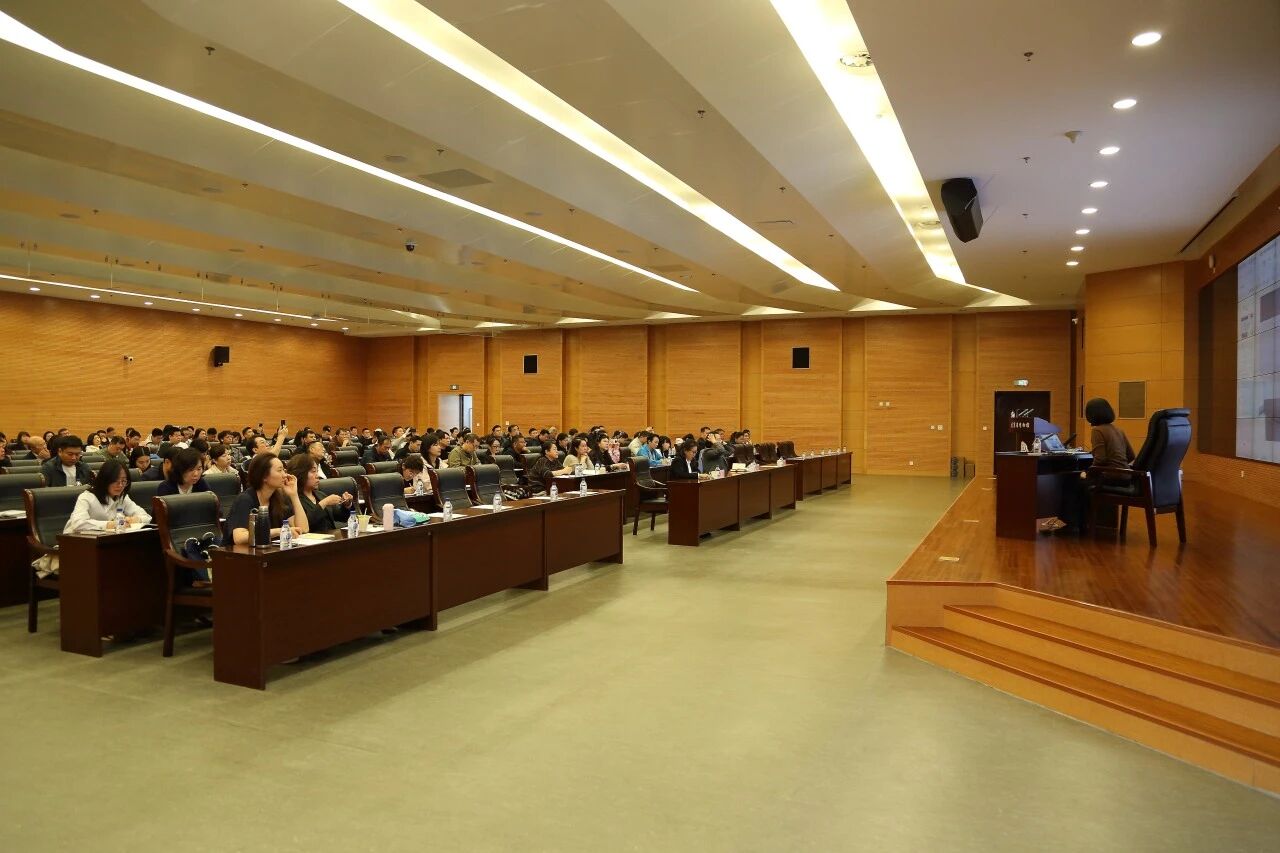
The Liaoning Provincial Museum recently held a training course on high-quality development of cultural and creative industries in museums and cultural institutions, focusing on innovative paths and high-quality development of museum cultural and creative industries in the new era. Nearly 180 people, including experts and scholars from the cultural and museum sectors both inside and outside Liaoning Province, staff from various museums in the province, representatives from cultural and tourism departments of various cities, and representatives from cultural and creative enterprises both inside and outside the province, gathered at the Liaoning Provincial Museum to jointly explore innovative ideas, and promote collaborative development, aiming to build a strong synergy for the high-quality development of cultural and creative industries in Liaoning’s museums and cultural institutions.
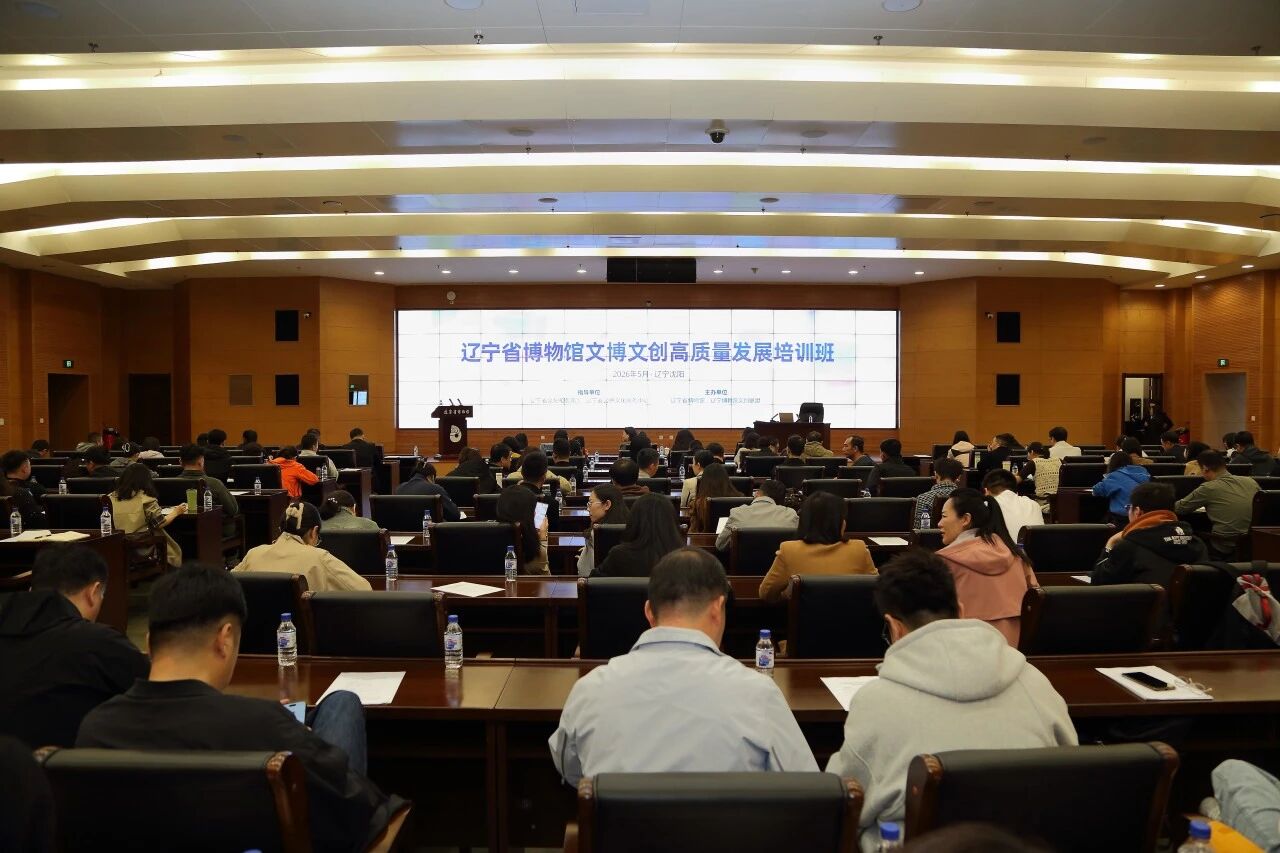
Currently, cultural and creative industries in museums and cultural institutions have entered the “Cultural and Creative 4.0 Era” of creative leadership, technological empowerment, and cross-border integration. Museum cultural and creative products become an important carrier for the transformation of cultural value, IP development, and cultural tourism integration. During the training, several experts spoke and conducted discussions. Concentrating on the current trends of change in the cultural and museum sectors, Chen Ruijin, vice chairman of the Chinese Museums Association, deeply analyzed the practical challenges faced by small and medium-sized museums in the development of cultural and creative industries, such as limited resources, insufficient talent, and weak branding. He drew upon practical case studies from various locations, proposing pragmatic solutions such as precise positioning, lightweight development, inter-museum collaboration, and market-oriented operation. He emphasized the creation of significant unique features from small entry points to guide small and medium-sized museums in Liaoning to overcome development challenges, identify innovative directions, and promote balanced and coordinated development of cultural and creative industries across the province. Based upon Liaoning’s historical, regional, and revolutionary cultural resources, he offered specific suggestions on cultural and creative development, IP creation, brand promotion, and industrial collaboration, clarifying the direction for the high-quality development of museum cultural and creative industries in Liaoning.
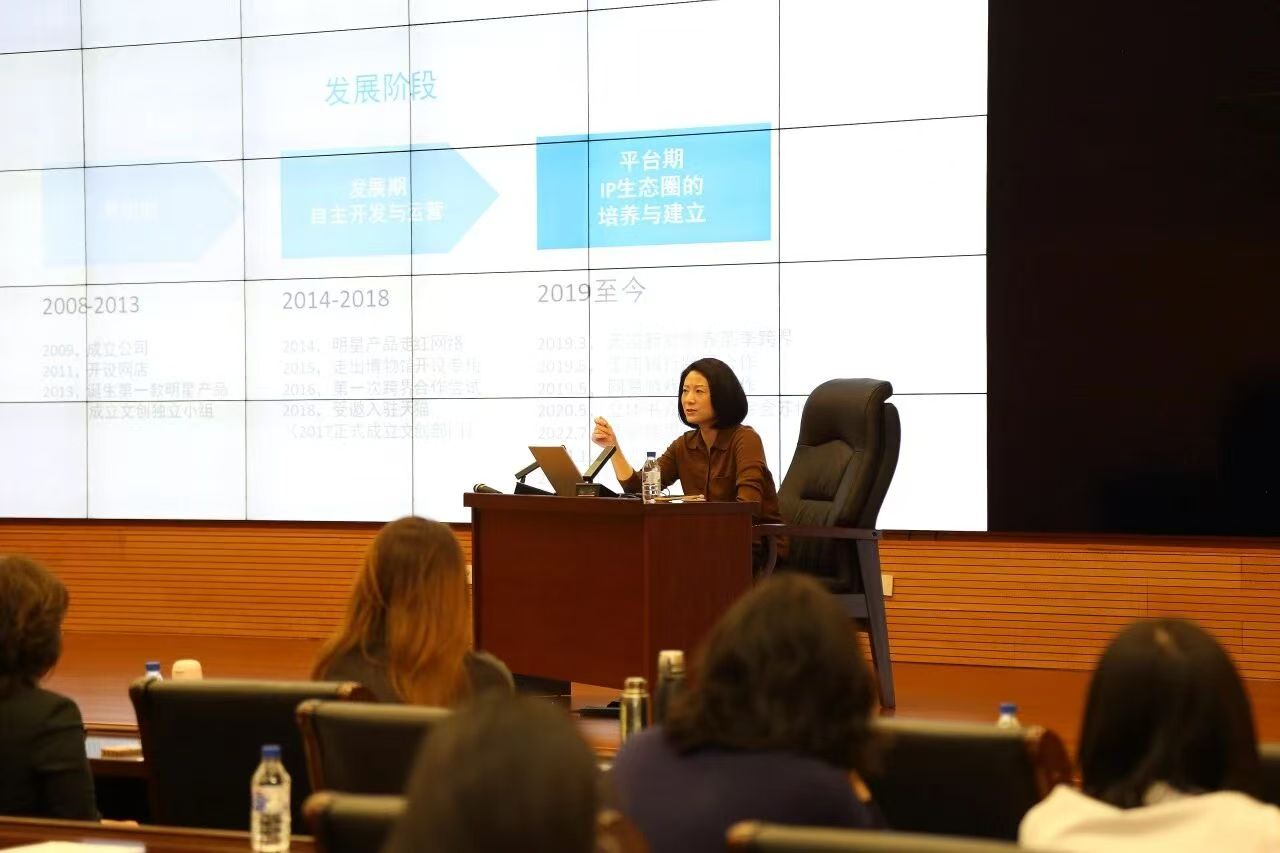
Xie Xiaoting, Director of the Suzhou Museum, used the development practice of cultural and creative industries as an example, systematically reviewing the evolution of museum cultural and creative industries from initial exploration to branding and IP development, and interpreting the core essence of the “Cultural and Creative 4.0 Era”: creative leadership, technological empowerment, and cross-border integration. She also shared her experience in product development, IP development, channel operation, and cross-border cooperation, providing practical experience that Liaoning’s museums can learn from in accurately positioning their cultural and creative industries, optimizing development models, and building sustainable operating systems.