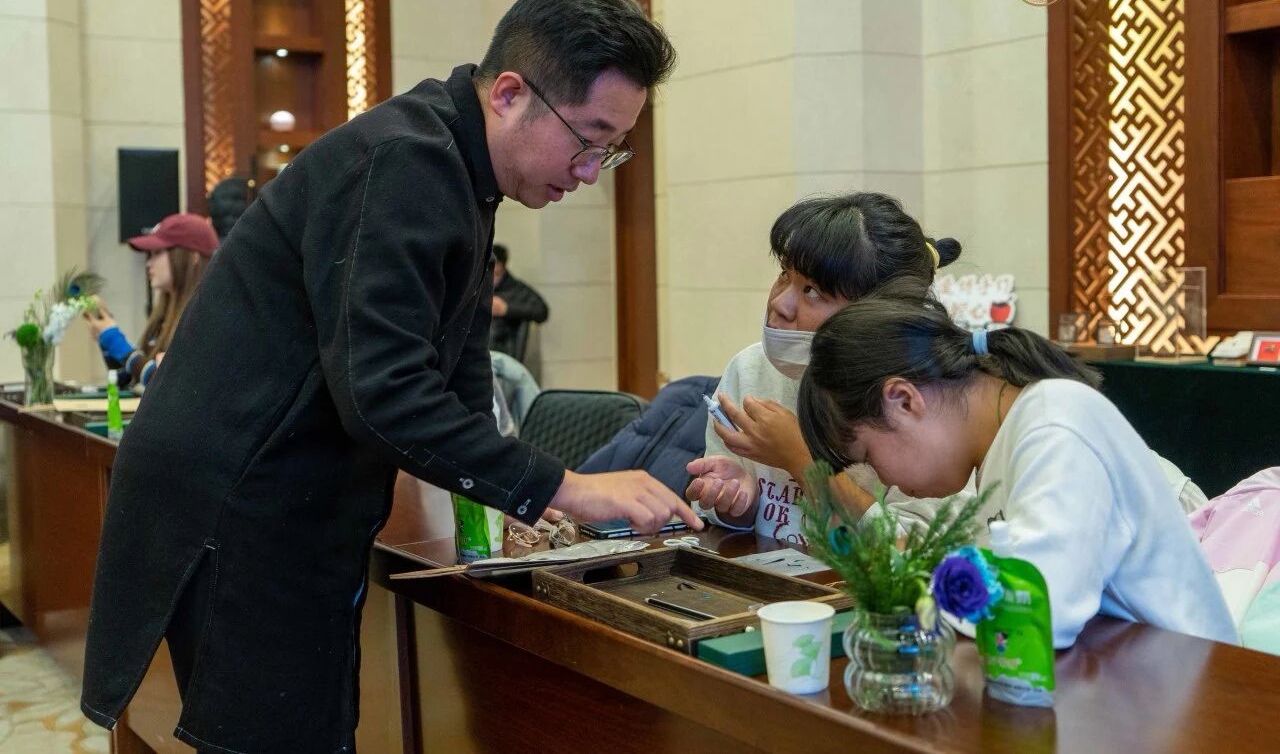
The Liaoning Provincial Museum recently held its first intangible cultural heritage learning activity of 2026 at Peiwen Study. The museum specially invited Li Jing, the fifth-generation representative inheritor of “Bai’s Diancui Restoration and Production Techniques” from Tianjin, to give a lecture. Visitors in Shenyang who are interested in intangible cultural heritage techniques enthusiastically signed up to learn and experience the long-standing diancui (kingfisher feather inlay) craftsmanship.
This unique diancui craftsmanship learning activity covered the explanations of its history and characteristics, as well as a detailed hands-on experience. From its historical origins to crafting details, Mr Li patiently explained the traditional production processes such as “feather sorting”, “inlaying”, and “scraping”, interspersed with anecdotes related to this craftsmanship.
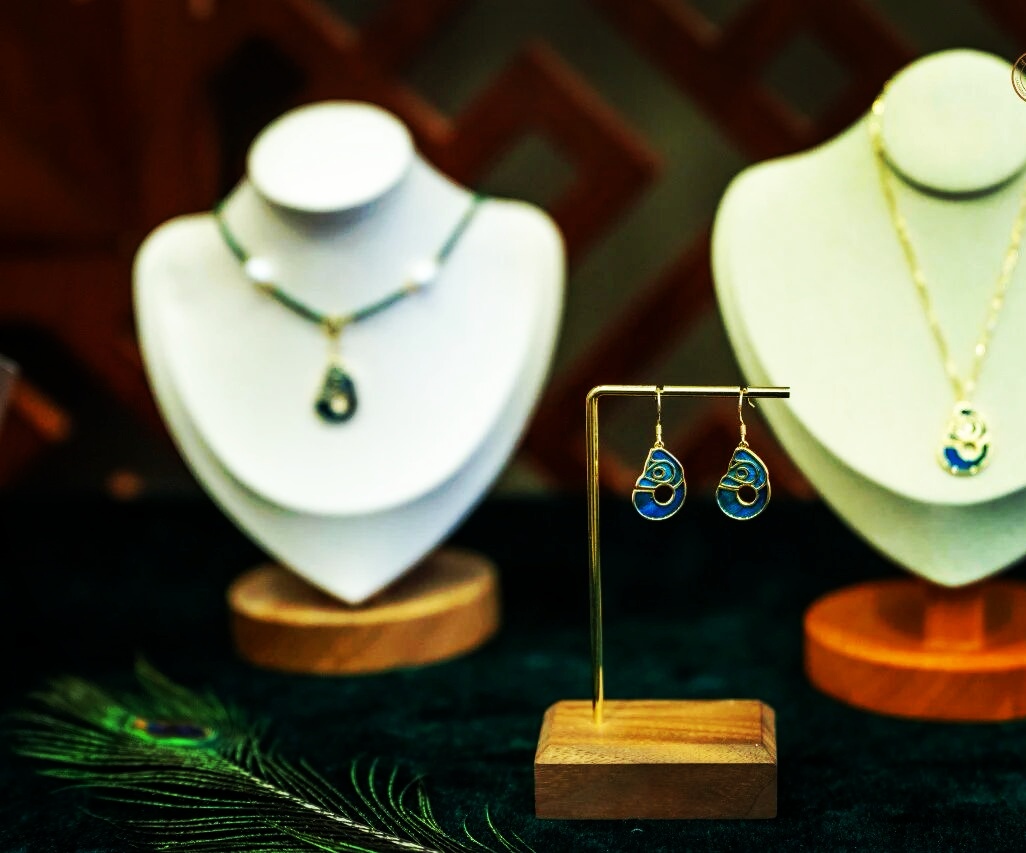
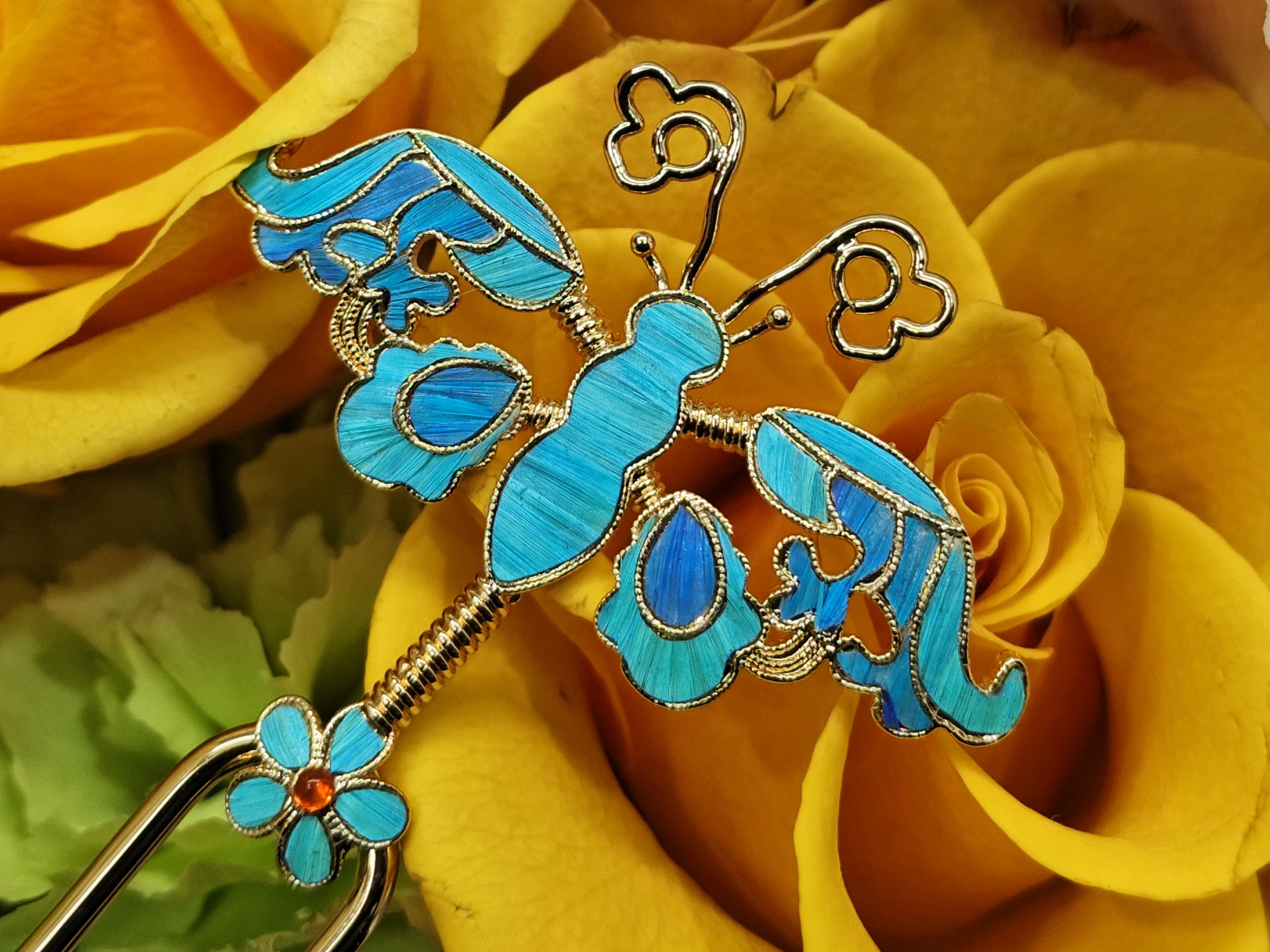
The diancui craftsmanship boasts a long history. As the classic work Han Feizi from the Warring States Period records, “(The treasure casket is) adorned with pearls and jade, and embellished with kingfisher feathers.” The raw material for this craftsmanship was kingfisher feathers. To protect wildlife, it now employs naturally shed parrot and peacock feathers. The general crafting process is as follows: First, bases of various shapes are made of fine metal wires such as gold and silver. Then, feathers are inlaid into a base, and glued together using a special adhesive. Diancui ornaments cannot be mass-produced by machinery, but only handmade; therefore, each work embodies the artisan’s dedication and affection.
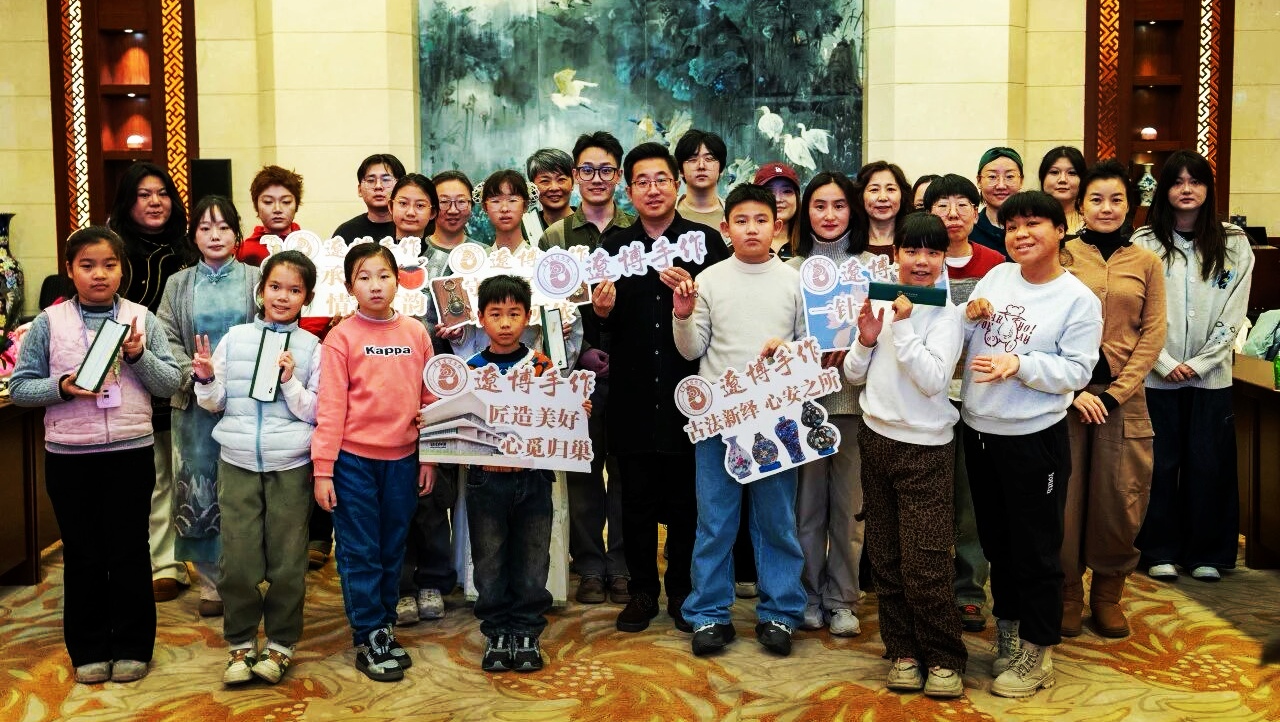
During the ornament-making session, under the guidance of Mr Li, participants meticulously adhered peacock feathers onto the metal base, gradually crafting various shapes such as jade pig-shaped dragons and butterflies. The lustrous blue-green feathers glistened in the sunlight, revealing enchanting beauty. One of the inspirations for this creation was the precious Jade Pig-Shaped Dragon collected in the Liaoning Provincial Museum. Mr Li provided an in-depth interpretation of its cultural connotations, from its shape to its symbolism. Subsequently, based on this treasure, the participants personally created wearable diancui ornaments, truly realizing the notion of “bringing cultural relics into life”.
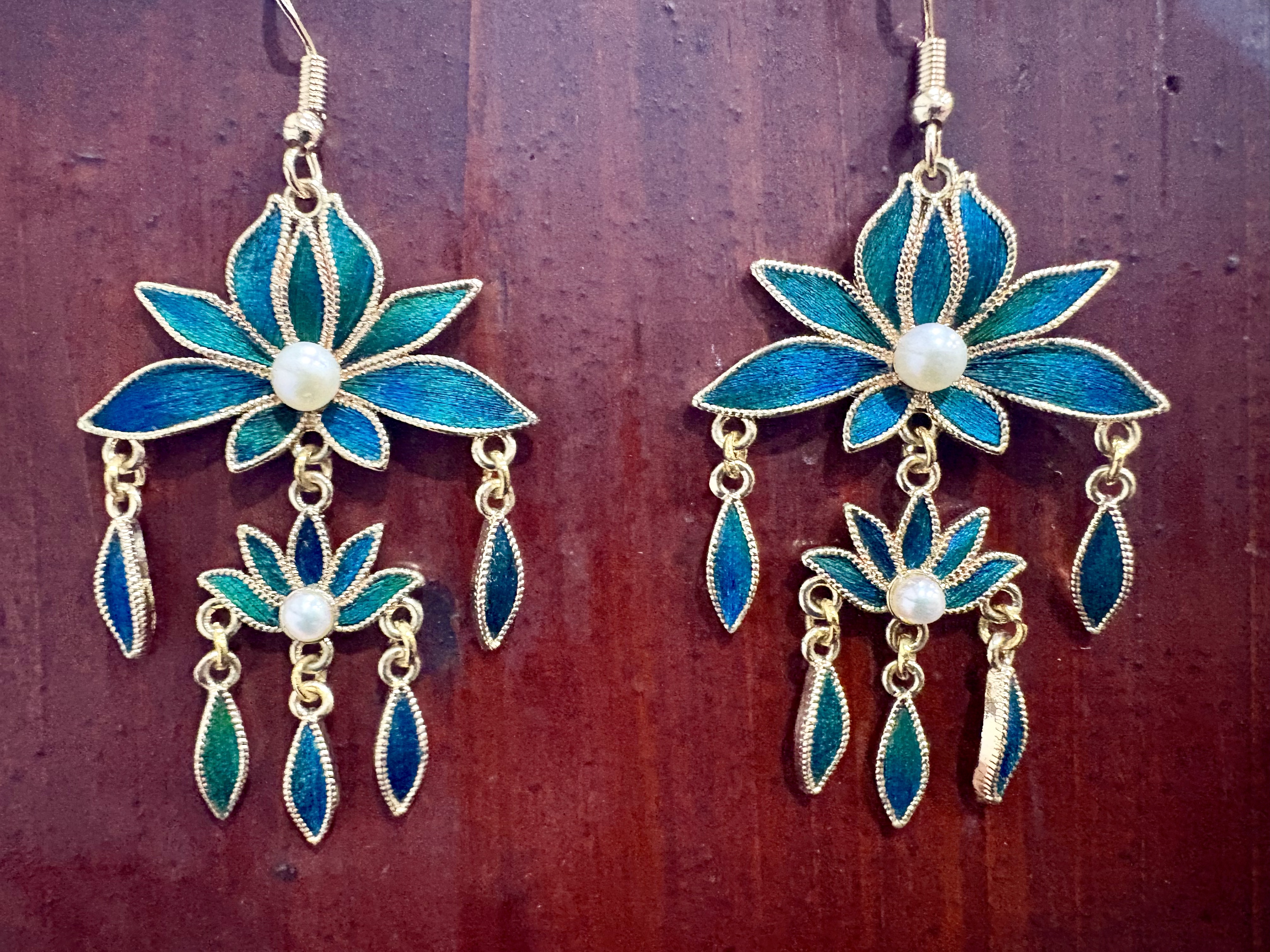
Through the fusion of “intangible cultural heritage techniques + cultural relic IPs + hands-on experiences”, this activity has brought visitors closer to history, and enlivened traditional intangible cultural heritage techniques in contemporary life. Each participant took home not only a piece of diancui ornament they made themselves, but also a memory related to intangible cultural heritage, and a legacy of craftsmanship that can be passed on.